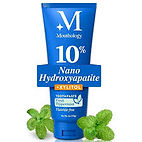
Hydroxyapatite Toothpaste: Hydroxyapatite is a naturally occurring minerals in tooth and in bones. Hydroxyapatite crystals is used in mouthwashes, toothpastes, and in dental sealants to remineralize enamel by providing calcium phosphate ions to fill demineralized enamel.
Rebuilds Enamel: Nano-hydroxyapatite mimics the natural mineral structure of human teeth, filling microscopic cracks and weak spots on the surface.
Reduces Sensitivity: The tiny particles seal exposed dentinal tubules to block hot and cold triggers from reaching the nerves.
Fluoride-Free Choice: It offers a safe, biocompatible alternative for people who prefer to avoid fluoride, though fluoride still provides stronger acid resistance in extreme conditions
Nano-Hydroxyapatatite Toothpaste : Features a 10% nHA formula and costs around $8.00 per tube.
Rinse Well Mineral Toothpaste : Uses natural ingredients safe to swallow and costs around $12.00.
It takes two to four weeks to notice reduced tooth sensitivity, and three to four months of consistent use to
visibly repair early-stage enamel damage like white spot lesions.
Remineralization Timeline :
1 to 2 Weeks: Microscopic mineral deposits begin to cover exposed dentin tubules, reducing daily tooth sensitivity.
4 to 8 Weeks: Measurable surface hardening and enamel mineral recovery take place with twice-daily brushing.
3 to 4 Months: Early demineralization and chalky white spots fade or blend back into the surrounding healthy enamel.
Dis-advantages :
Hydroxyapatite toothpaste is more expensive, less widely available, and lacks the long-term clinical research base of traditional fluoride.
Higher Cost: Hydroxyapatite (HAP) is a premium ingredient, making these specialty toothpastes significantly more expensive than standard commercial brands.
ABG Dental
Limited Availability: You rarely find HAP toothpaste in standard local grocery stores or pharmacies, often requiring specialty shops or online orders.
Less Long-Term Data: While short-term studies show it is safe and effective for remineralization, it lacks the decades of widespread epidemiological and clinical data backing fluoride